If you have spent time hunting down 90s style inspiration only to feel frustrated, you are not alone. Most mood boards and lookbooks are built around straight-size models, meaning the proportions rarely translate the same way when you try putting them on a fuller frame.
Here is the upside: 90s fashion happens to be one of the most forgiving eras for curves. High-waisted denim, bias-cut slip dresses, and relaxed flannels were never meant to cling to a single body shape. They were engineered to skim, drape, and layer, which naturally complements curves. You do not need to alter the trends to fit your body; you just need the right cuts and a basic understanding of how to balance proportions.
Eight wearable looks follow below, along with the structural reasoning behind why each one works.
Why 90s Style Actually Works for Curvy Bodies
The 90s is often remembered for grunge minimalism, but the real secret to why the clothes work on plus-size frames comes down to structure. Most silhouettes from the decade were high-rise, boxy, or intentionally relaxed rather than cropped and skin-tight like many trends from the 2010s. That meant the garments were already doing the heavy lifting before you even considered body types.
High-rise waistbands sit right at your natural waist instead of cutting across your hips, offering instant definition. Boxy crops and oversized flannels introduce structure up top without clinging uncomfortably, while wide-leg and relaxed denim balance out a fuller lower half naturally.
Nearly every successful outfit relies on a combination of three core shapes:
- High-waisted bottoms
- Boxy or cropped tops
- Wide-leg or relaxed denim
Once you spot these three foundational shapes, you can put together endless variations beyond this list.
The fit-forgiveness of the decade also stands out. Low-rise jeans and bodycon dresses (staples of the 2000s) demand an exact fit to look right. In contrast, a boxy crop or a wide-leg jean gives you breathing room for your specific proportions, which explains why so many curvy creators have gravitated back to the era lately.
8 Plus Size 90s Outfit Ideas You Can Actually Recreate
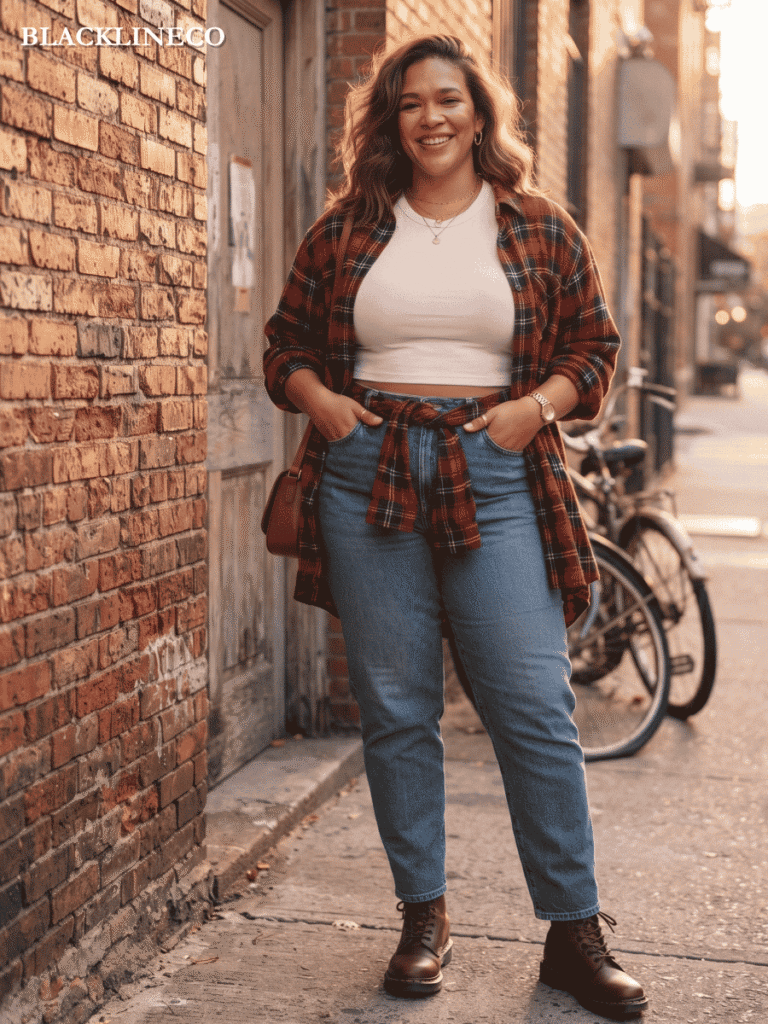
1. Mom Jeans + Cropped Baby Tee
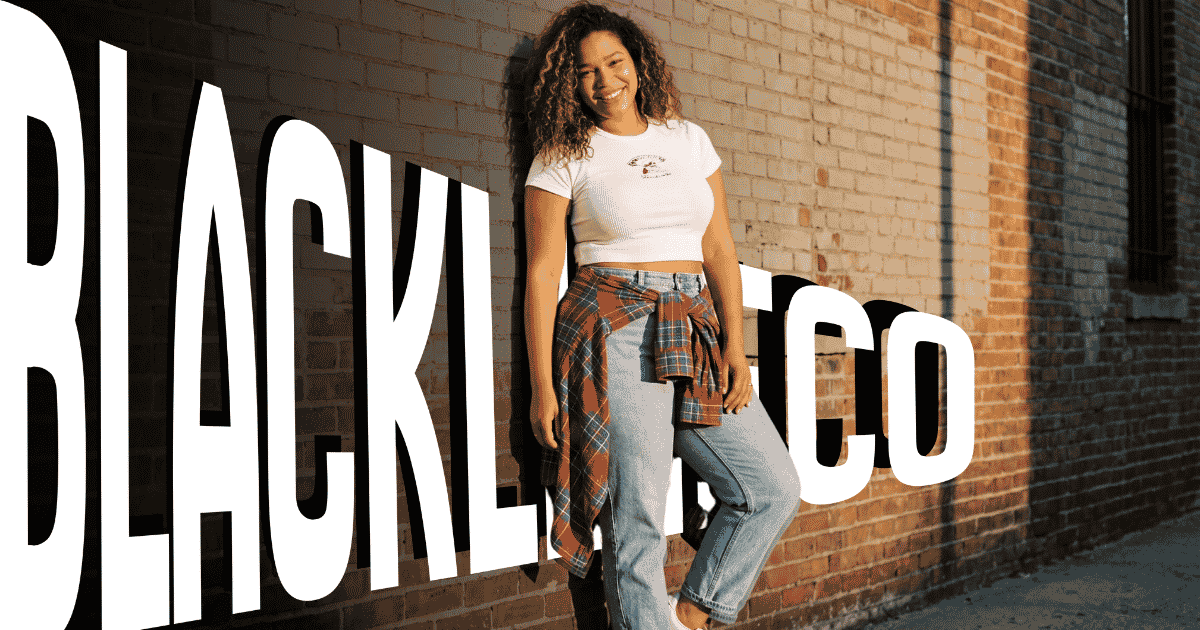
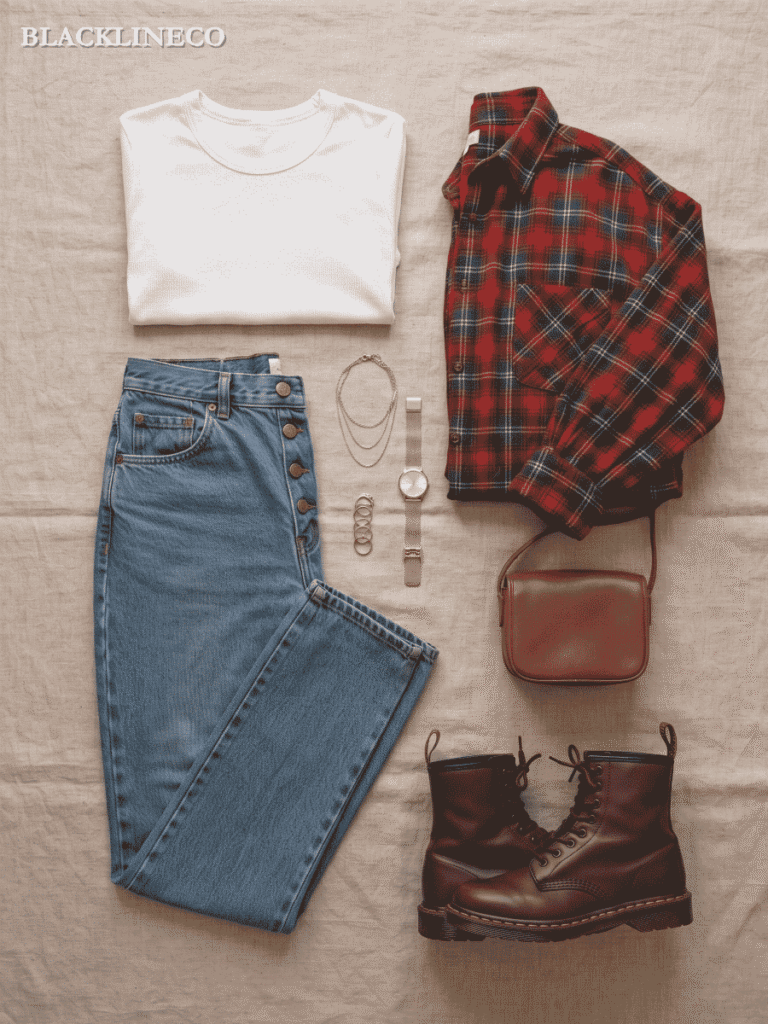
This is the classic pairing for a reason. High-waisted mom jeans carve out a defined waistline, while a slightly cropped baby tee—hitting right at or just above the waistband rather than mid-ribcage—keeps the proportions balanced.
- How to wear it: Look for mom jeans with genuine structure through the hip instead of skinny jeans disguised with a high rise. Keep your crop subtle so it meets the waistband. Tie a flannel around your waist for extra definition, and anchor the look with chunky sneakers or combat boots instead of heels.
2. Slip Dress + Chunky Boots
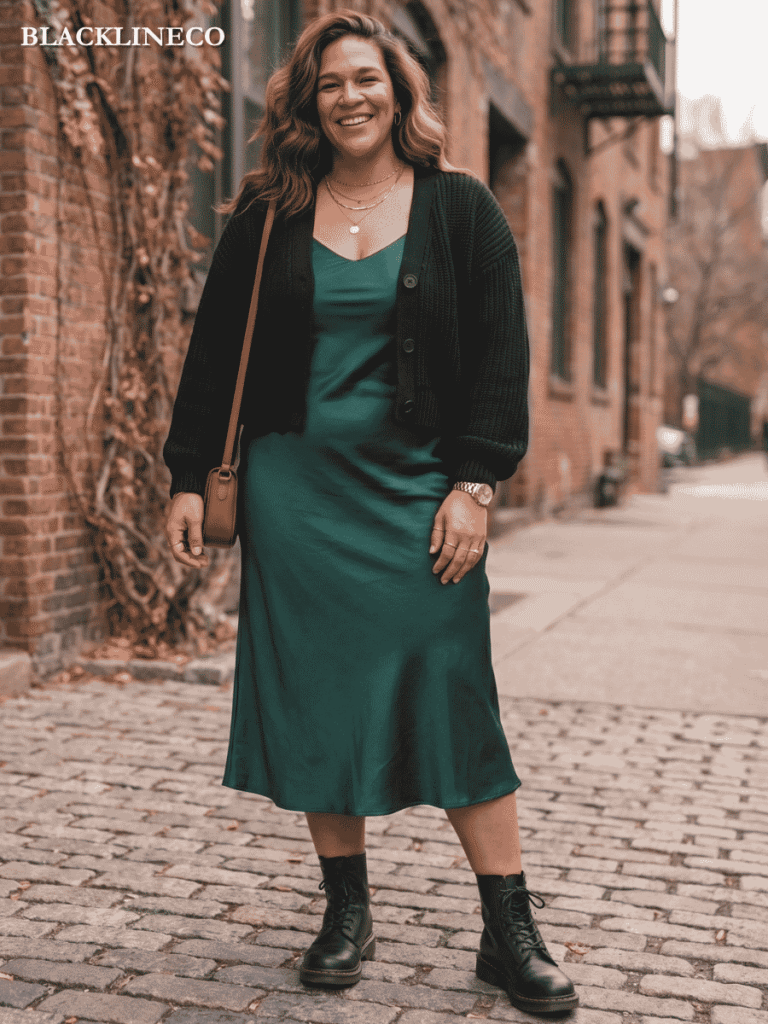
The 90s slip dress might be the most universally flattering piece of the decade. Because it is cut on the bias, it skims the body rather than clinging to it, moving fluidly instead of stretching awkwardly across your shape.
- How to wear it: opt for a silky fabric with good movement over stiff materials. If you are between sizes, size up—a slip dress should glide over your frame, never stretch. Throw a cropped cardigan or an unbuttoned flannel over top for daytime wear, and ground the softness with heavy combat boots.
3. Oversized Flannel + Bike Shorts
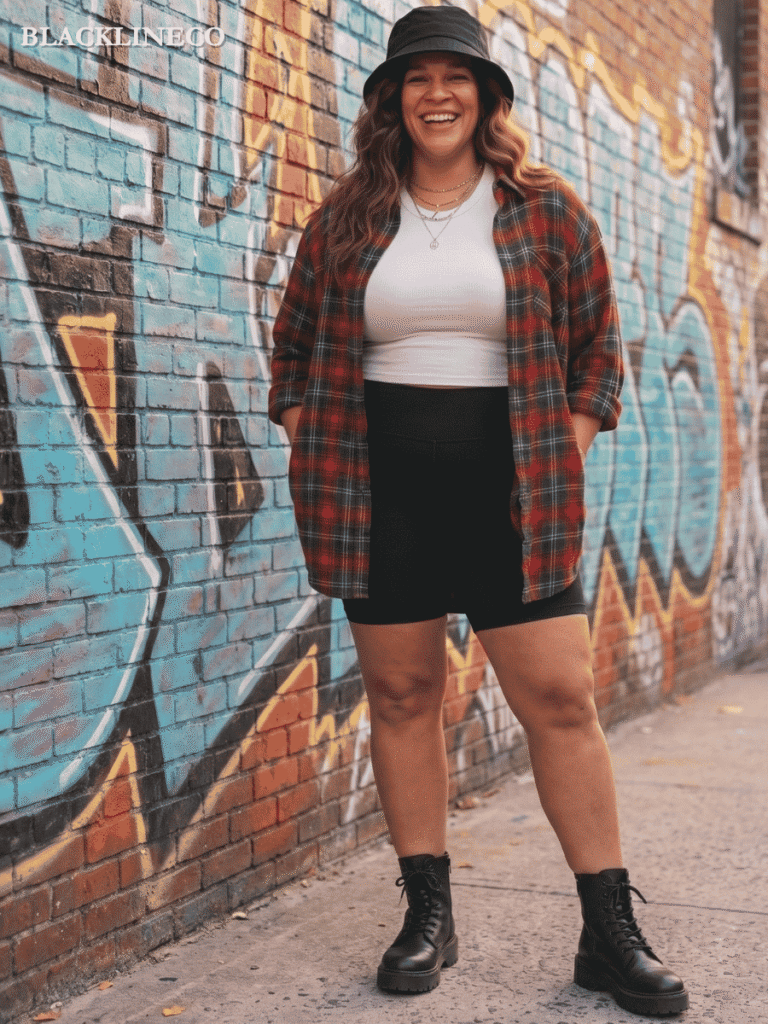
This grunge-staple formula—oversized on top, fitted on the bottom—remains one of the most reliable proportions for curvy frames across any decade.
- How to wear it: Go genuinely oversized with the flannel. Pair it with high-waisted, completely opaque, supportive bike shorts. Wear a fitted tank or bodysuit underneath the open flannel to anchor the look, and finish it off with a beanie or a bucket hat.
4. Denim-on-Denim (Head-to-Toe)
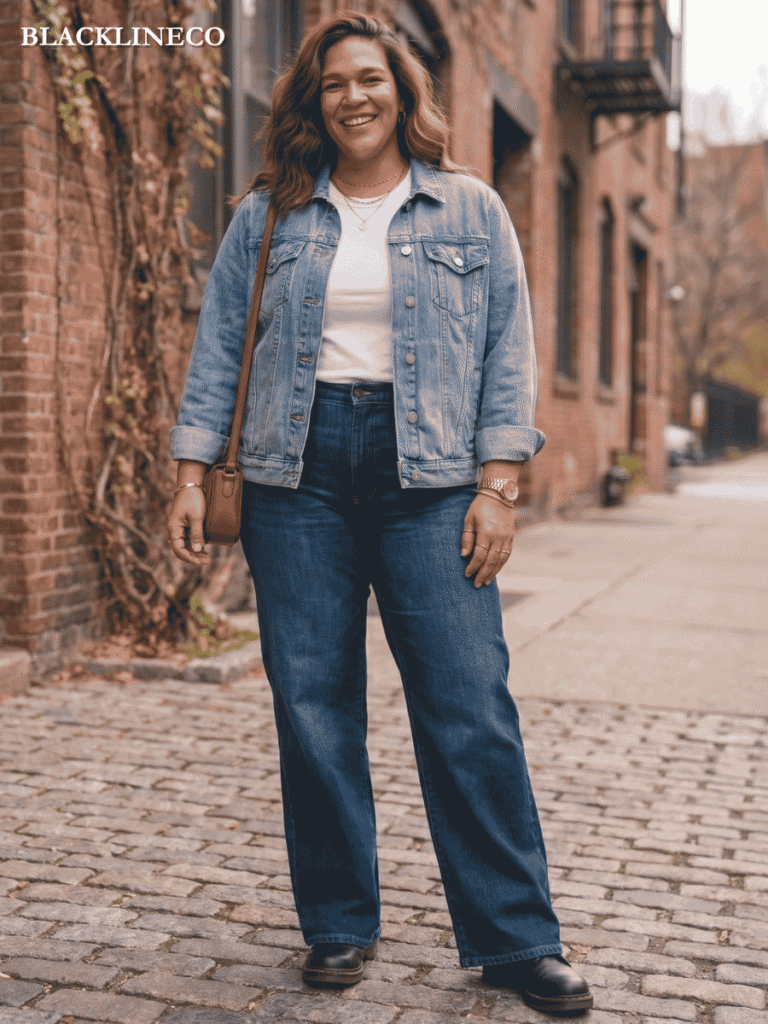
Double denim gets an undeserved bad reputation. The trick is creating contrast rather than trying to match the exact same wash from top to bottom.
- How to wear it: Pair a light-wash jacket with dark-wash wide-leg jeans, or vice versa. Avoid matching washes to dodge the costume effect. Keep one half relaxed and the other structured to prevent a boxy silhouette. A plain white or black tee underneath keeps things grounded.
5. Bodysuit + High-Waisted Trousers
Bodysuits solve an annoying styling problem by staying tucked in permanently, eliminating bunching throughout the day. Paired with high-waisted trousers, they create a streamlined silhouette.
- How to wear it: Choose a bodysuit with structural support through the torso rather than thin, stretchy fabrics. Pair it with high-waisted, wide-leg trousers to balance out the fitted top half. Throw a blazer over your shoulders for work or evening plans, and keep jewelry simple with a single statement piece.
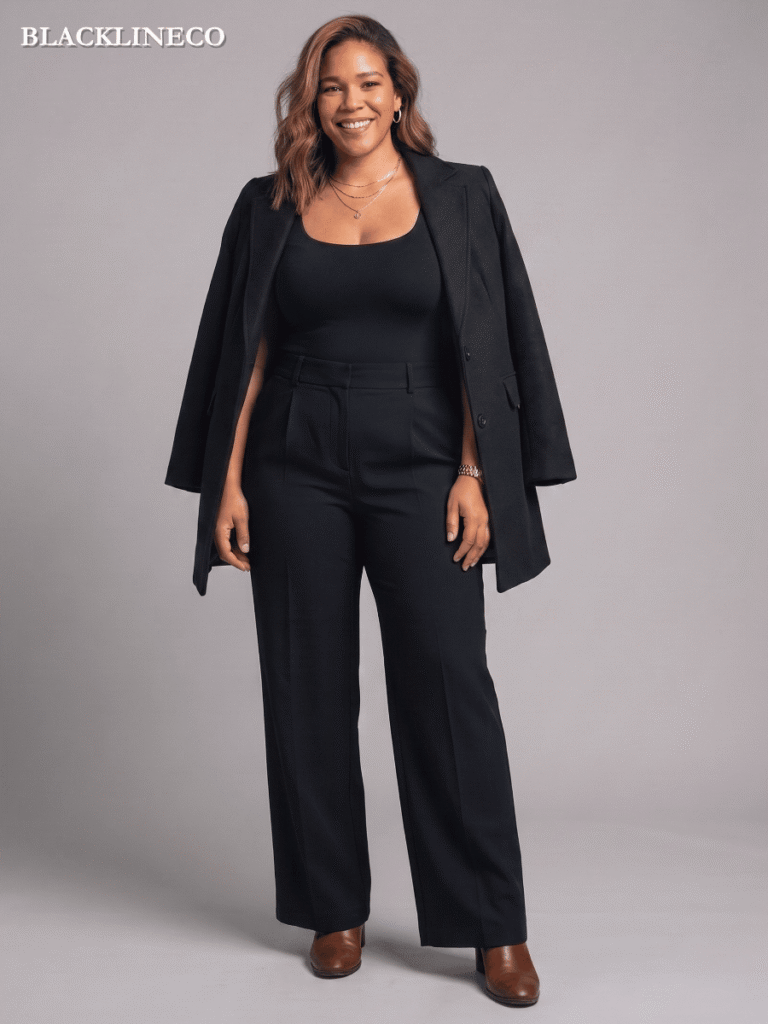
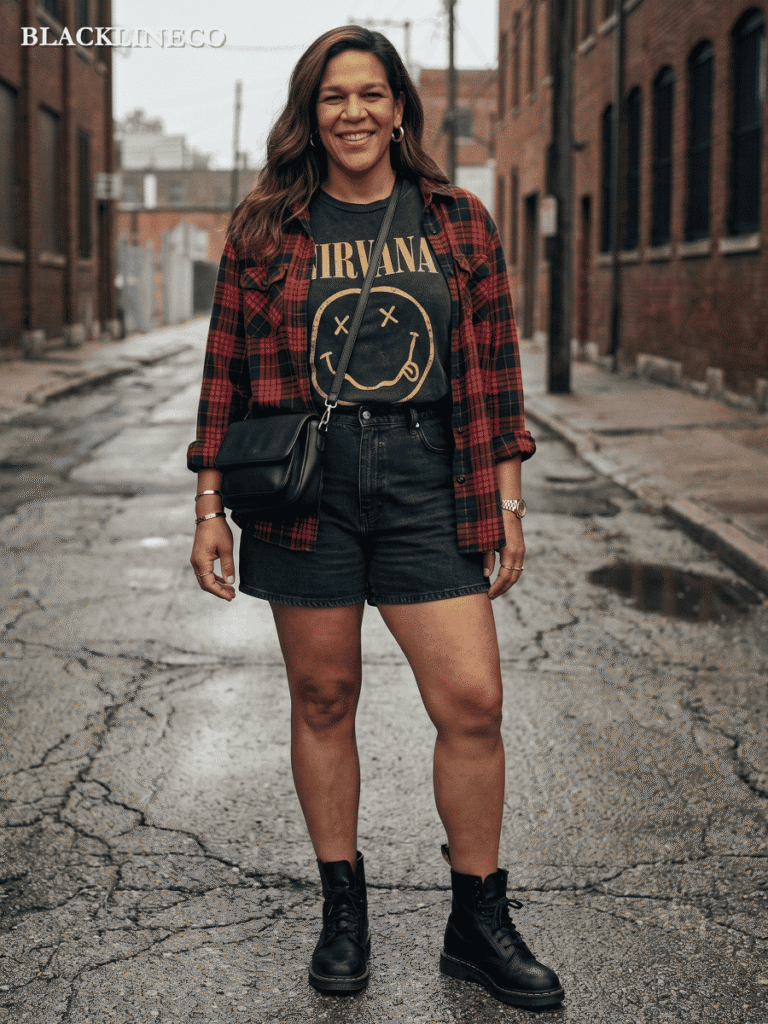
6. Grunge Layering (Band Tee + Flannel + Combat Boots)
This texture-heavy approach uses layering to add visual depth without introducing bulk in unflattering spots.
- How to wear it: Start with a relaxed band tee as your base. Layer an open flannel over top with the sleeves rolled up. Anchor the bottom with high-waisted denim shorts or jeans, and finish with boots and a cross-body bag.
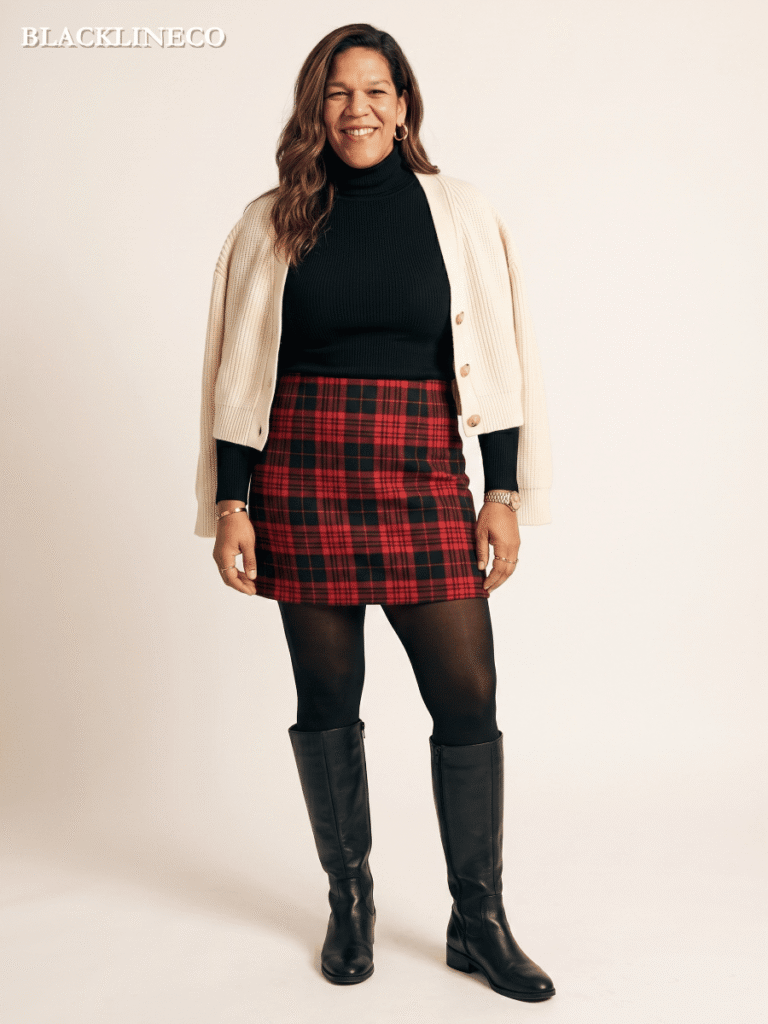
7. Plaid Mini Skirt + Turtleneck
A structured plaid mini skirt paired with a fitted turtleneck is pure 90s style. The combination works because the sleek top balances out the volume of the skirt.
- How to wear it: Pick a plaid skirt with some substance to it—avoid flowy fabrics so it holds its shape. A ribbed, fitted turtleneck creates a clean vertical line. Add tights and knee-high boots to make the outfit wearable when the temperature drops.
8. Windbreaker Set (90s Athleisure)
Matching windbreaker sets are making a major comeback because they require minimal effort while nailing the retro aesthetic completely.
- How to wear it: A matching jacket-and-pant combo creates an intentional look instantly. Leave the jacket unzipped over a fitted tank top to keep some shape definition. Chunky sneakers are mandatory here, and a small shoulder bag keeps it looking sporty instead of lazy.
Where to Shop the Pieces (Without Overspending)
You do not need a massive budget to build these outfits. Most of the components can be sourced affordably through thrift stores or bought new.
Thrift & Vintage Sourcing Tips:
- Search online listings specifically for “high-waisted” and “mom jeans,” since original 90s denim adheres to the era’s roomier proportions.
- Flannels and denim jackets are among the easiest vintage finds in extended sizes.
- Browse men’s racks for oversized flannels and band tees—the boxier cuts usually fit better.
Budget-Friendly New Alternatives:
- Slip dresses and bodysuits are widely available in extended sizing at accessible retail prices.
- Windbreaker sets are easy to buy as complete matching pairs rather than hunting down separate pieces.
- Combat boots are a worthwhile long-term investment that pairs with almost every outfit on this list.
- Focus on buying one or two anchor items first (like a great pair of mom jeans or a slip dress). You can build the rest of the looks using basics you likely already own, like plain tees or a denim jacket.
Common Mistakes to Avoid With Plus Size 90s Looks
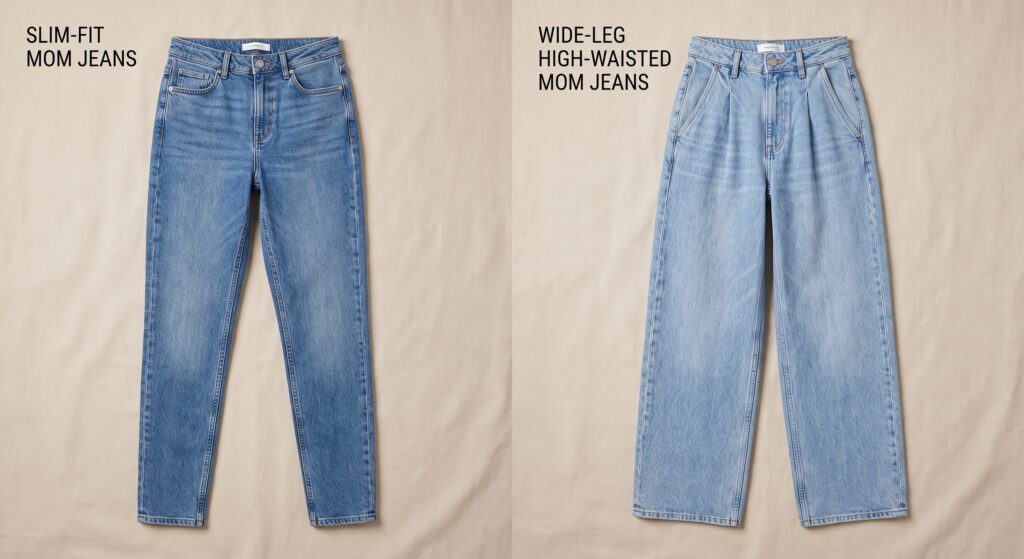
- Don’t buy skinny jeans labeled as “mom jeans.” Many brands slap that label on any high-waisted pant, but true mom jeans feature a straighter, roomier leg. Do check product photos for the actual leg shape.
- Don’t size down on a slip dress to make it tight. Do size up if needed—the bias cut is meant to skim your silhouette, and a strained slip dress loses its drape.
- Don’t wear oversized pieces on both top and bottom simultaneously. Do balance your proportions: loose on top means more structured on the bottom, and vice versa.
- Don’t assume your clothes have to be vintage-certified. Do mix old-school aesthetics with well-fitting modern basics.
- Don’t ignore fabric weight when thrifting. Do look for structure in flannels and denim; flimsy modern reproductions lack the stiffness and weight that make original pieces hang correctly.
Quick Answers
Is 90s fashion actually flattering for curvy girls?
Yes. Signature pieces like high-waisted denim, slip dresses, and boxy flannels were built around relaxed, structured shapes rather than restrictive tight fits, which works naturally with curves.
What should I wear to a 90s-themed party if I’m plus size?
A slip dress paired with chunky boots or a mom-jeans-and-baby-tee combination are both instantly recognizable options that do not feel like a cheap costume.
What is the easiest 90s outfit to start with?
The windbreaker set or the mom-jeans-and-flannel combo. Both rely on items that are easy to find in extended sizes and require minimal styling effort.
Do I need vintage pieces to pull off a 90s look?
No. Brand-new pieces cut with the right silhouettes (high-waisted, boxy, wide-leg) look just as authentic as vintage finds.
What is the difference between plus size 90s and general retro/vintage styles?
“90s” refers strictly to that specific decade’s grunge, slip dress, and mom jean silhouettes, whereas “retro” and “vintage” are broad umbrellas covering multiple decades.
90s style isn’t a trend you have to adapt for a curvier body — it was already built with the kind of structure and drape that works with curves, not against them. Pick one look from the list above, start there, and build out from the pieces you already like.
Not sure which silhouette suits your shape best? Try our Body Type Calculator to find your best 90s starting point.