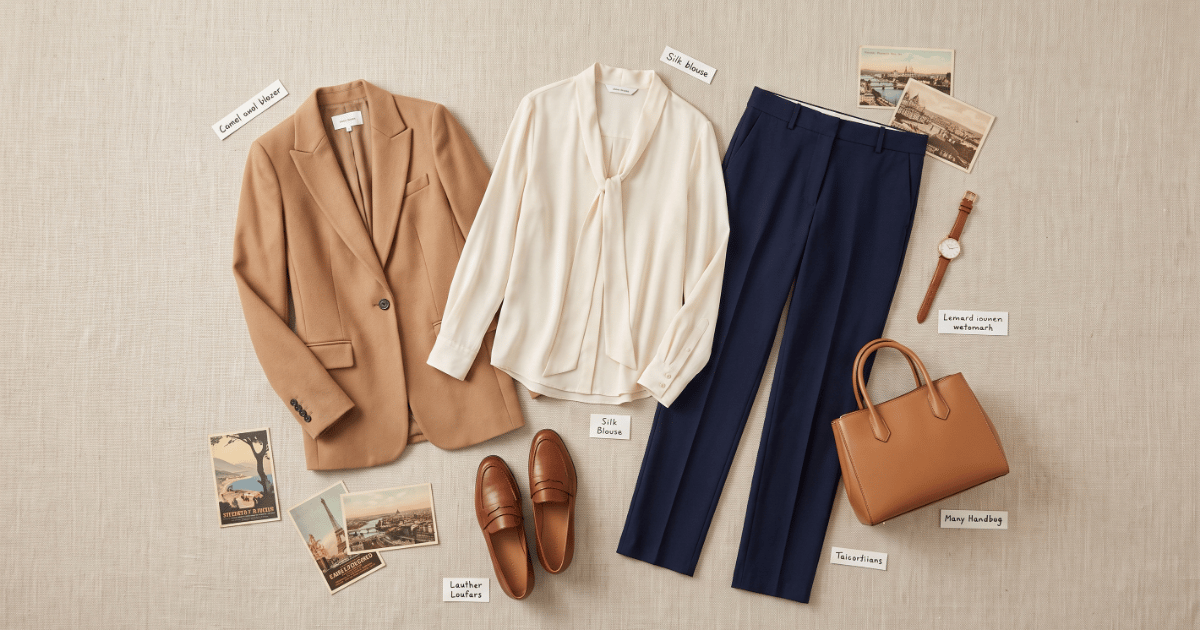
Old money fashion style is a way of dressing that favors quiet, timeless elegance over flashy logos and fast trends. It focuses on quality fabrics, classic cuts, and neutral colors that never go out of style. This guide breaks down exactly how to build the look, piece by piece.
What Is Old Money Fashion Style?
Old money fashion style takes its name from families with generational wealth — the kind of style that was never designed to chase trends because it never needed to prove anything. Instead of loud branding or seasonal statement pieces, the look leans on clean construction, a flattering fit, and fabrics that simply feel and look expensive.
This aesthetic is sometimes called “quiet luxury,” and that name captures the idea well. Nothing about an old money outfit shouts for attention. A blazer, a pair of trousers, or a simple blouse might look plain at first glance, but the quality is obvious once you notice the fit, the fabric, and the way each piece is put together.
The appeal of this style has grown because so many people are tired of fast fashion and logo-heavy outfits that go out of style within a season. Old money style offers the opposite — pieces that still look right five or ten years later, because the whole point was never to follow a trend in the first place.

The Core Principles Behind the Look
Three ideas hold this entire style together: quality over quantity, understatement over flash, and fit over everything. A smaller wardrobe of well-made pieces will always look more polished than a closet full of trendy items that fit poorly or wear out fast.
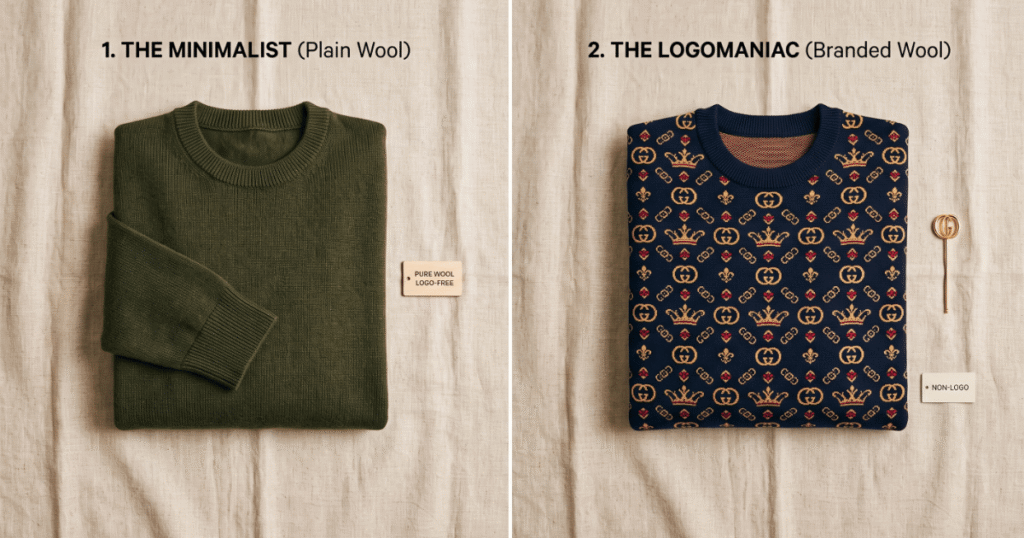
Understatement means avoiding big logos, bright colors, or anything that looks like it’s trying too hard. The color palette stays muted and the silhouettes stay classic, so the outfit speaks through its quality rather than its branding. This is often the biggest adjustment for people used to logo-driven fashion — the goal is for people to notice that you look put-together without immediately clocking which brand you’re wearing.
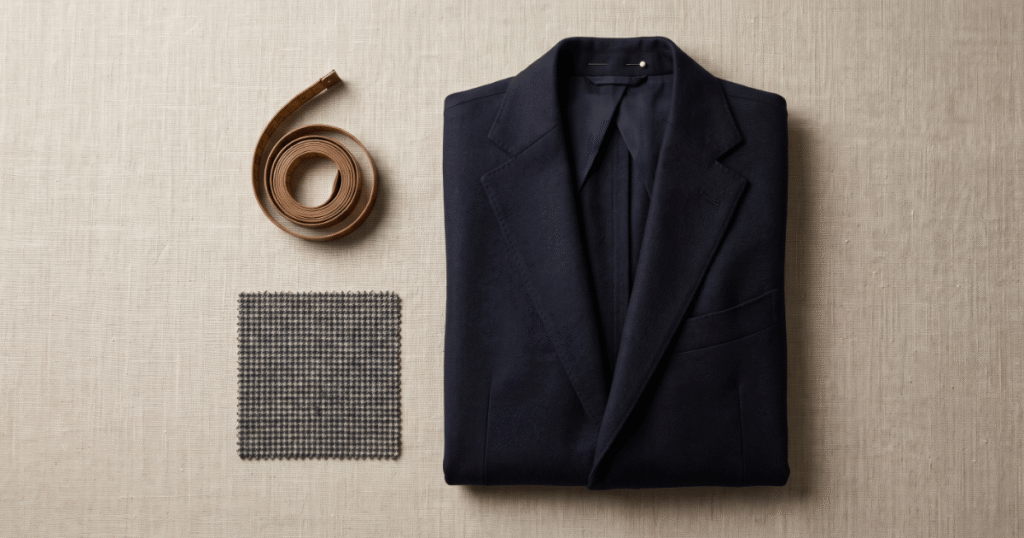
Fit matters more in this style than almost any other single factor. A well-tailored basic piece will always outperform an expensive item that doesn’t sit right on your body. Getting key pieces altered to fit you exactly is a small investment that makes the biggest visible difference in pulling off this aesthetic convincingly.
Key Wardrobe Staples for Women
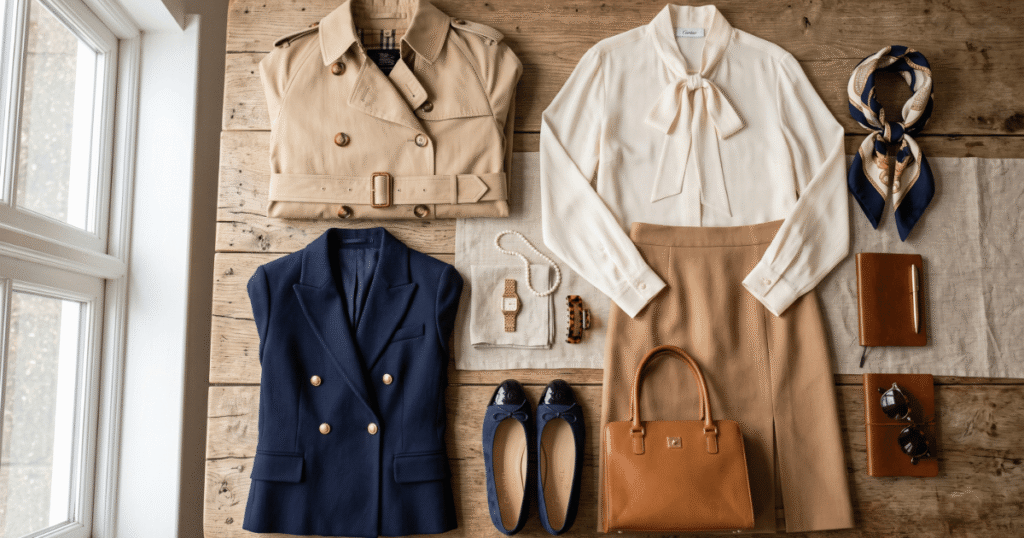
A great starting point is a structured blazer in a neutral shade like navy, camel, or charcoal — it instantly elevates almost any outfit underneath it. Pair it with high-waisted trousers or a tailored midi skirt for a look that works for both daytime and evening occasions.
Crisp button-down shirts and silk or cotton blouses are another cornerstone. These pieces layer well under blazers or sweaters and work equally well tucked into trousers or a skirt. A knit sweater, ideally in cashmere or a fine wool blend, adds warmth without breaking the clean, tailored silhouette the whole style depends on.
Finish the wardrobe with a classic trench coat, leather loafers or ballet flats, and a structured handbag in a neutral leather tone. These pieces might seem simple individually, but together they create the foundation that almost every old money outfit is built from.
Key Wardrobe Staples for Men
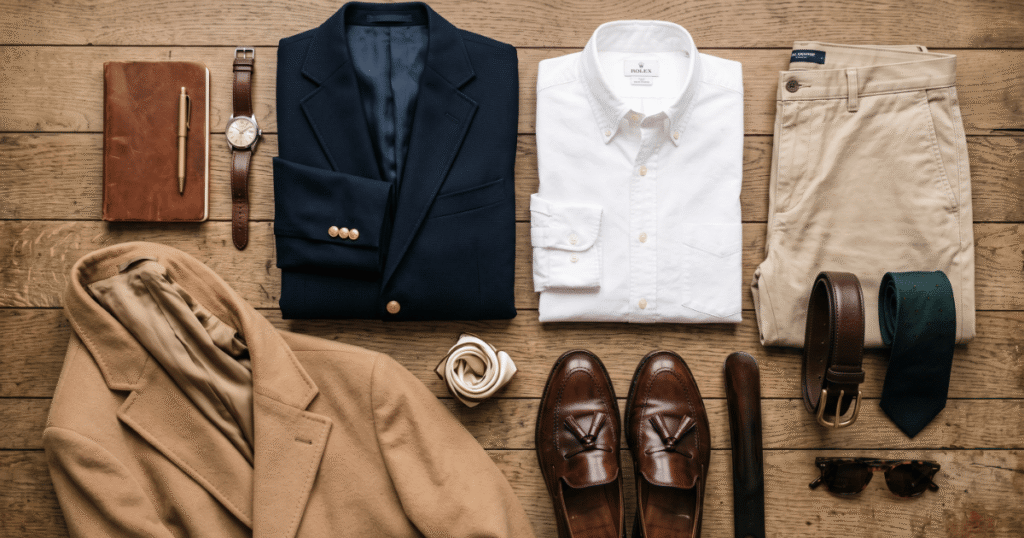
For men, the look centers on a well-tailored suit or blazer in navy, charcoal, or a subtle pattern like a pinstripe or hounds tooth. An Oxford shirt in white or light blue is the most versatile shirt in this entire style, working under a blazer or on its own with rolled sleeves.
Chinos or tailored trousers in beige, stone, or navy round out the lower half, paired with leather loafers or clean, minimal sneakers depending on the occasion. A lightweight knit sweater or a quarter-zip pullover adds another versatile layering piece that works across seasons.
Outerwear matters just as much here — a camel overcoat or a quality wool topcoat instantly signals the aesthetic in colder months. As with the womenswear side, the goal is fewer, better pieces rather than a packed closet of fast-fashion basics.
Best Colors and Fabrics to Choose
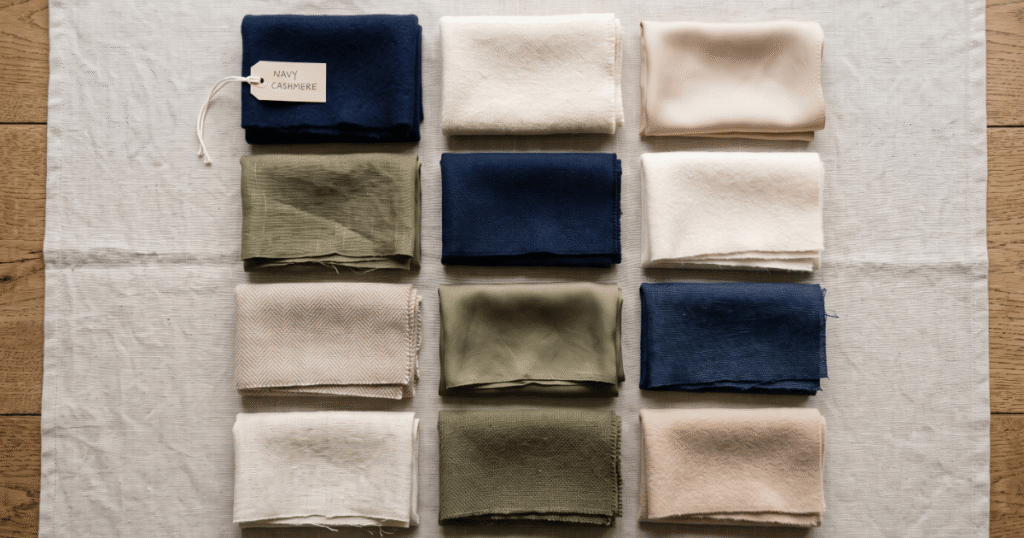
The old money color palette stays deliberately narrow: navy, cream, beige, camel, charcoal gray, olive, and soft white. These shades all pair easily with each other, which is part of why the style looks so cohesive even with a fairly small wardrobe.
Fabric choice matters just as much as color. Natural materials — cashmere, wool, silk, linen, and quality cotton — are what give the pieces their expensive look and feel. Synthetic fabrics tend to look and drape differently, which is often what separates a convincing old money outfit from one that just misses the mark.
When mixing patterns, keep them subtle. Pinstripes, hounds tooth, and small checks fit the aesthetic, while bold prints or anything flashy pulls the whole look in a different direction. A good rule of thumb is that if a pattern draws attention to itself from across the room, it’s probably too loud for this style.
How to Accessorize the Old Money Way
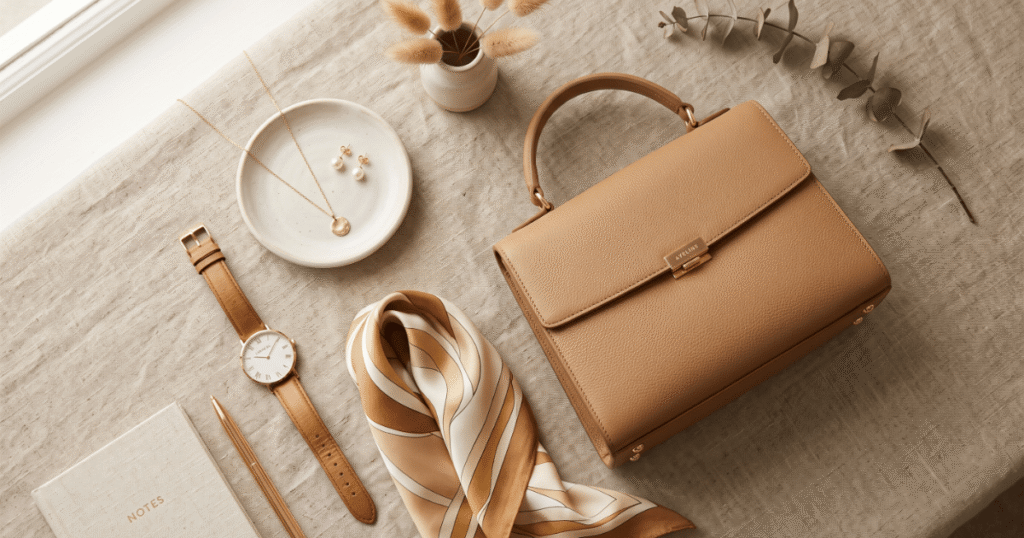
Jewelry in this style stays minimal and refined — think a thin gold chain, small pearl studs, or a classic watch rather than anything oversized or trend-driven. The idea is that accessories should complement the outfit quietly instead of becoming the focal point.
A structured leather bag in a neutral tone is one of the most useful investment pieces you can add. Choose one with clean lines and minimal (or no visible) branding, since a subtle logo does more for this look than a large one ever could.
Scarves, belts, and sunglasses in classic shapes and neutral tones round out the accessory list. Even something as small as swapping a plastic-look watch for a simple leather-strap one can shift an outfit noticeably closer to this aesthetic.
Old Money Hairstyles and Grooming
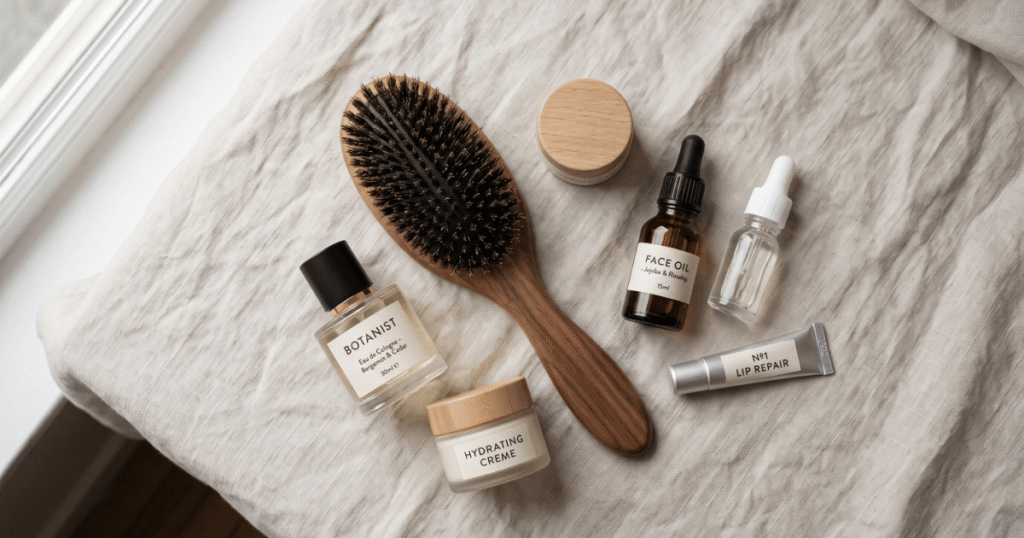
Grooming plays a bigger role in this style than people often expect. Clean, natural hairstyles — a low bun, soft waves, or a simple, well-maintained short cut — fit the look far better than anything overly styled or trend-driven.
Makeup, when worn, tends to stay light and natural rather than heavy or dramatic. The goal mirrors the clothing itself: put-together and polished, but never like you’re trying too hard to get there.
For men, this usually means a clean, well-maintained haircut and tidy facial hair, if any. The overall effort here is less about a specific style and more about looking consistently well-kept, which reinforces the same quiet, effortless quality the clothing is going for.
Common Mistakes to Avoid
The most common misstep is buying pieces with visible logos, thinking a designer name automatically fits the aesthetic. In reality, loud branding works against this style — the whole point is that the quality speaks for itself without needing a logo to prove it.
Another mistake is skipping tailoring. Buying the right pieces but wearing them in the wrong size or without alterations undercuts the entire look, since fit is one of the most important elements here. A basic, well-fitted piece will almost always outperform an expensive one that doesn’t sit right.
Finally, mixing in too many trendy items dilutes the effect. This style works because it stays consistent — adding one or two fast-fashion trend pieces into an otherwise classic wardrobe tends to clash rather than blend in.
How to Build an Old Money Wardrobe on a Budget
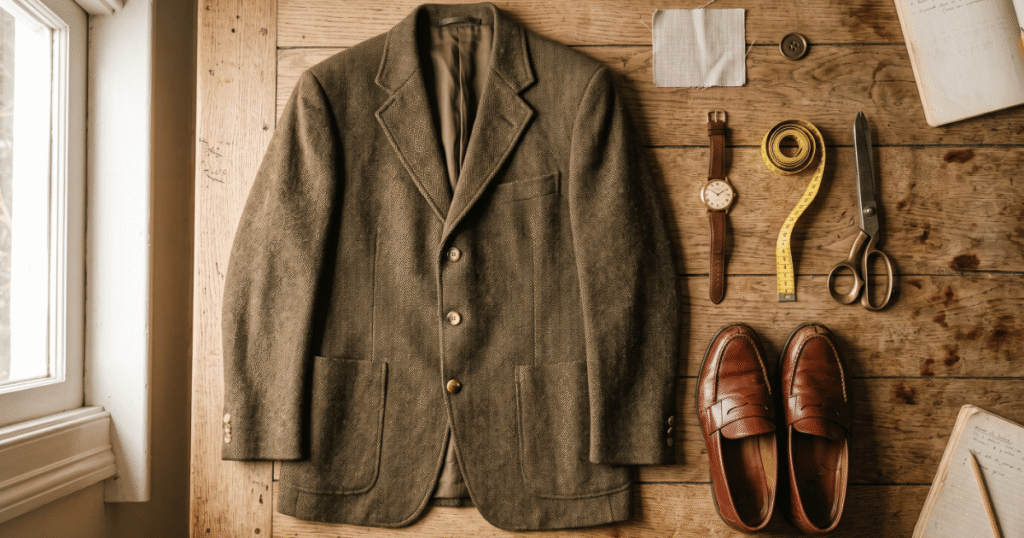
You don’t need designer price tags to build this look. Secondhand and thrift shops are excellent sources for quality wool blazers, silk blouses, and leather goods at a fraction of retail price, since older, well-made pieces often use better materials than modern fast fashion.
Prioritize your spending on the pieces you’ll wear most — a good blazer, a pair of well-fitted trousers, and a classic coat are worth investing in first. Cheaper basics like plain T-shirts or simple knitwear can fill in the rest of the wardrobe without hurting the overall look.
Tailoring is often the best money you can spend. Taking an inexpensive piece to a tailor for a better fit can make it look far more expensive than it actually was, which is one of the most budget-friendly ways to nail this aesthetic.
Old Money Style for Different Seasons
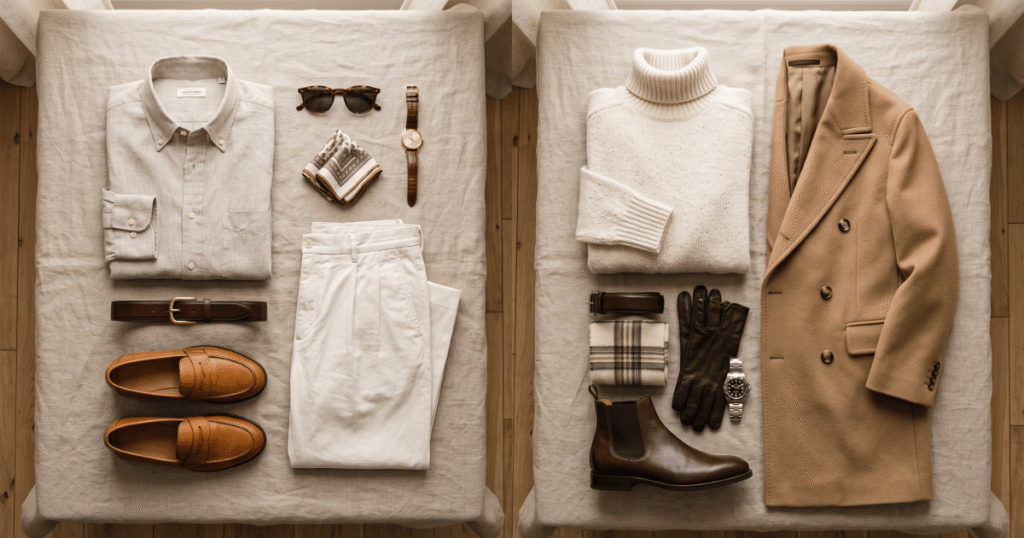
In warmer months, lean into linen shirts, lightweight cotton trousers, and breathable knits in the same neutral palette. Simple sandals or loafers keep footwear in line with the relaxed, put-together feel of summer old money outfits.
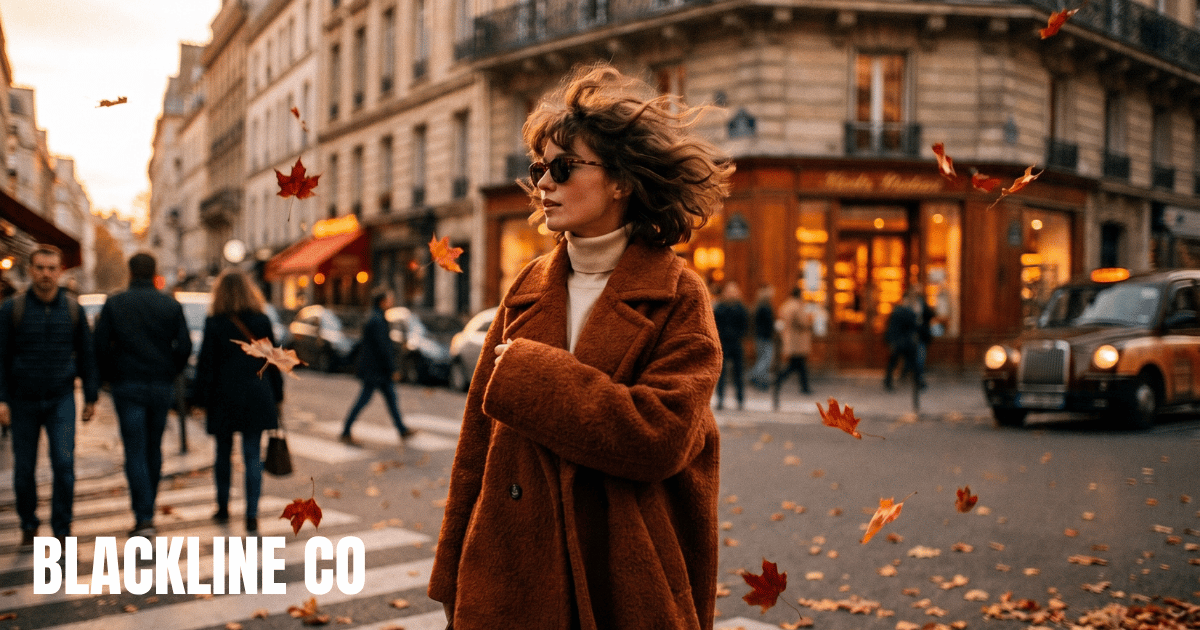
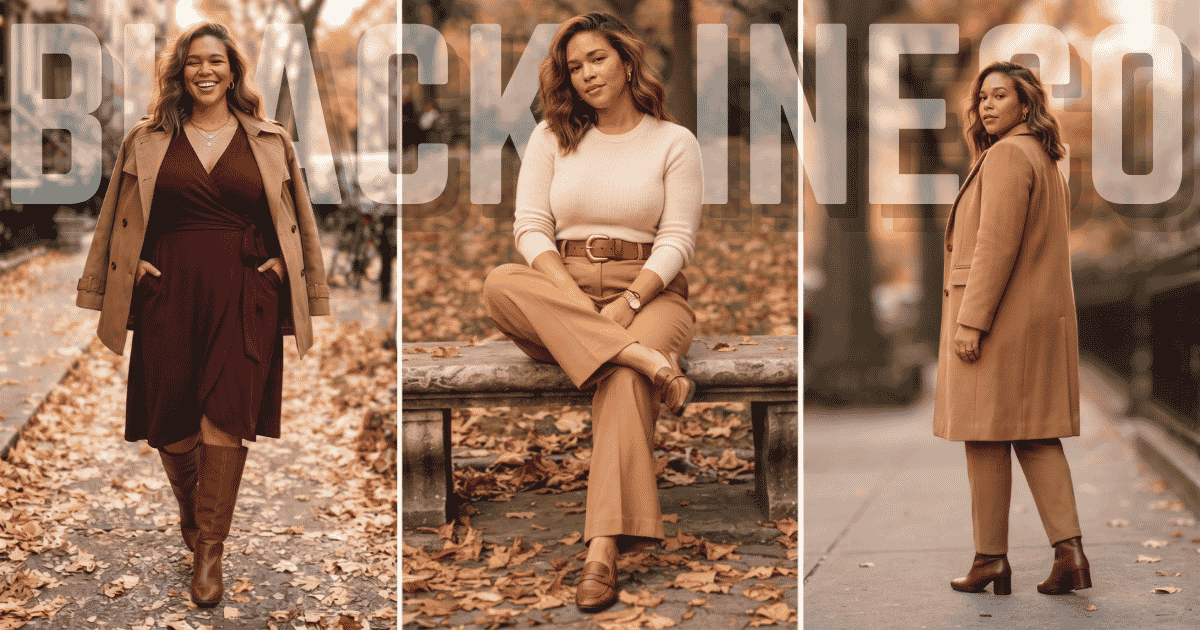
Cooler seasons are where this style really shines, since layering adds depth without breaking the aesthetic. Wool sweaters, tailored coats, and richer tones like camel and chocolate brown come into play, all while sticking to the same clean, uncluttered silhouettes used year-round.
Regardless of season, the same core rules apply — quality fabrics, a muted color palette, and clothes that fit well. Adjusting for weather doesn’t mean abandoning the aesthetic, just adapting the fabric weight and layering to match the temperature.
Conclusion
Old money fashion style isn’t about spending the most money — it’s about choosing quality, fit, and restraint over trends and logos. With a handful of well-made staples in a neutral palette, anyone can build a wardrobe that looks polished and timeless without chasing the next passing trend.
Frequently Asked Questions
- Is old money style only for people with a lot of money? No — the aesthetic can be recreated at almost any budget by prioritizing fit, choosing timeless pieces, and shopping secondhand for quality basics.
- How is old money style different from minimalism? Minimalism focuses mainly on simplicity and fewer items, while old money style specifically emphasizes heritage-inspired tailoring, natural fabrics, and a narrow, traditional color palette rooted in classic upper-class dressing.
- Can old money style work for casual, everyday outfits? Yes — a simple knit sweater, tailored trousers, and clean loafers create an easy, casual version of the look without needing a full suit or blazer.
- Do I need to buy new clothes to achieve this look? Not necessarily. Many people build convincing old money wardrobes almost entirely from thrifted or secondhand pieces, since older garments were often made with better materials than much of today’s fast fashion.
- What’s the biggest giveaway that an outfit isn’t old money style? Visible logos, bright or flashy colors, and poor fit are the fastest ways an outfit misses the mark, since the whole aesthetic depends on subtlety and a clean, tailored silhouette.